
Pete Seat is one of those behind the scenes power players whose name keeps resurfacing whenever American politics, media strategy, or generational debates make headlines. Known for his time in the White House, his sharp political commentary, and his bestselling book on millennials, Seat has built a career that blends policy, communication, and cultural insight. By 2026, he remains a respected voice across television, public affairs, and higher education.

Early Life and Background
Pete Seat(@PeteSeat) / Posts / X was born and raised in Indiana, the son of immigrant parents, a background he has often credited with shaping his views on opportunity, civic duty, and American identity.
He grew up in a politically aware household but did not initially plan a life inside Washington’s power circles. His Midwestern upbringing instilled a practical mindset that later defined his communication style, direct, disciplined, and audience focused.
Education and Formative Years
Seat attended the University of Arizona, where he earned his degree and became deeply involved in student leadership and political organizations. These early experiences sharpened his interest in government messaging and campaign strategy. Friends and professors from that period often describe him as unusually focused, with a clear sense that politics was not just about ideology but about persuasion and execution.
His university years laid the groundwork for what would become a fast moving political career.
Entering National Politics
After graduating, Pete Seat moved quickly into Republican politics, earning roles that placed him close to decision makers at a young age. His break came when he joined the administration of President George W. Bush.
Seat eventually served as Deputy Assistant Press Secretary to the President, a role that placed him at the center of White House communications. He worked on domestic and international messaging, traveled extensively, and handled press coordination during moments of intense political pressure.
For many in Washington, this role marked him as a rising communications strategist with a calm presence and disciplined media instincts.
Life After the White House
Leaving government did not slow Seat’s momentum. Instead, it opened new doors. He transitioned into strategic communications and public affairs, advising political campaigns, corporations, and nonprofit organizations.
He became Vice President at Bose Public Affairs Group, where he helped lead messaging strategy for high profile clients navigating regulatory, political, and reputational challenges. His work extended beyond partisan politics into corporate advocacy and crisis management.
Seat also remained active in campaign politics, contributing to major state and national races, particularly in Indiana. His reputation as a steady strategist made him a sought after advisor behind the scenes.
Media Commentary and Public Voice
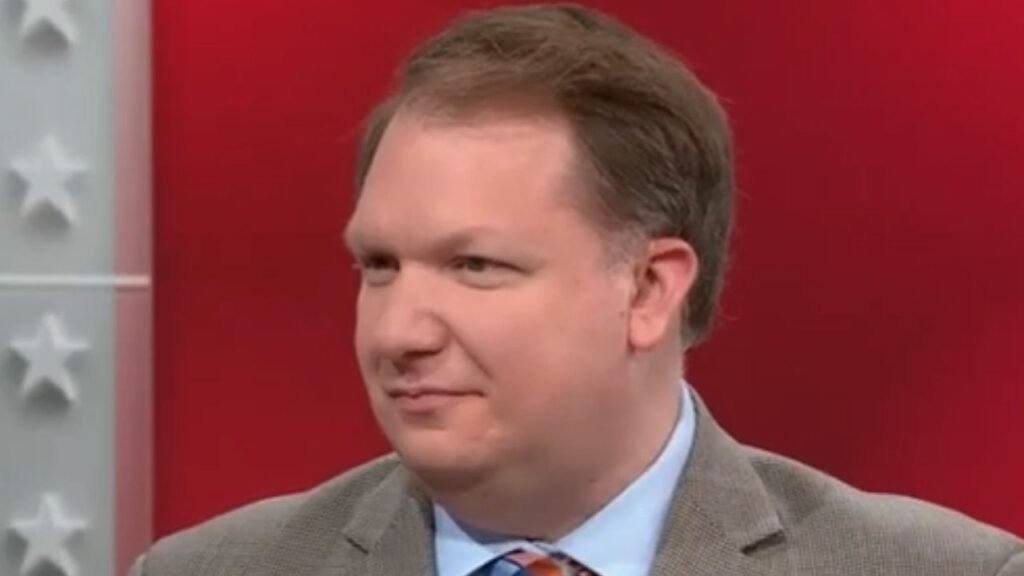
By the mid 2010s, Pete Seat had become a familiar face on national television. He regularly appeared as a political commentator on major networks including CNN, Fox News, MSNBC, and others.
What set him apart was his ability to explain political strategy without resorting to talking points. Producers valued his willingness to discuss both Republican strengths and weaknesses, which helped him build credibility across audiences.
In addition to television, Seat wrote opinion columns for national publications such as Politico and Newsweek, expanding his influence among policy insiders and politically engaged readers.
Author of The War on Millennials
One of the defining moments of Pete Seat’s public career came with the release of his book The War on Millennials. In it, he argued that younger generations were being economically and politically disadvantaged by policies designed to protect older voters.
The book sparked debate across ideological lines. Supporters praised its clear articulation of generational inequality, while critics challenged its framing. Regardless of viewpoint, the book cemented Seat’s role as a serious thinker on generational politics and long term policy consequences.
By 2026, The War on Millennials continues to be cited in discussions about student debt, housing affordability, and workforce participation.
Teaching and Speaking Engagements
Seat’s influence also extends into education. He has served as an adjunct instructor, teaching courses related to the American presidency and political communication. Teaching allows him to mentor students interested in public service while grounding his real world experience in academic discussion.
As a speaker, Pete Seat is in demand at universities, corporate events, and leadership conferences. His keynote topics often include political messaging, generational change, civic responsibility, and navigating media in polarized environments.
Net Worth and Lifestyle
Pete Seat’s exact net worth has not been publicly disclosed, and no authoritative figure is available as of 2026.
His income is believed to come from a combination of consulting work, media appearances, speaking engagements, teaching roles, and book royalties. Unlike many political figures, Seat maintains a relatively private lifestyle, with little public emphasis on luxury or personal wealth.
Achievements and Recognition
Over the years, Seat has received several notable honors. He has been named a Millennium Fellow at the Atlantic Council and a Term Member at the Council on Foreign Relations, distinctions that reflect his standing in foreign policy and political circles.
He has also received Indiana’s Sagamore of the Wabash award, one of the state’s highest civilian honors, recognizing his contributions to public life.
Personal Life
Pete Seat keeps his personal life largely out of the spotlight. As of 2026, he is believed to be in his early to mid 40s. Details about his spouse or children, if any, are not publicly emphasized.
Outside of politics, he has spoken openly about his lifelong love of baseball and American sports culture, occasionally sharing stories that humanize his otherwise policy heavy public image.
Why Pete Seat Still Matters in 2026
In an era dominated by loud voices and short attention spans, Pete Seat occupies a different space. He bridges government experience with media literacy, combining insider knowledge with an ability to speak to everyday concerns.
His ongoing relevance comes not from holding office, but from shaping how politics is explained, debated, and understood.
Frequently Asked Questions
Who is Pete Seat?
Pete Seat is a political strategist, former White House press official, media commentator, author, and public affairs executive.
How old is Pete Seat in 2026?
He is estimated to be in his early to mid 40s.
What book did Pete Seat write?
He is the author of The War on Millennials, a book examining generational inequality in American politics.
Did Pete Seat work in the White House?
Yes. He served as Deputy Assistant Press Secretary to President George W. Bush.
What does Pete Seat do now?
He works in strategic communications, appears as a political commentator, teaches, speaks publicly, and writes.
What is Pete Seat’s net worth?
There is no verified public estimate of his net worth as of 2026.
Biography Table
| Fact | Detail |
|---|---|
| Full Name | Pete Seat |
| Age | Early to mid 40s (as of 2026) |
| Profession | Political Strategist, Commentator, Author |
| Education | University of Arizona |
| Nationality | American |
| Parents | Immigrant parents (names not public) |
| Relationship Status | Private |
| Children | Not publicly disclosed |
| Net Worth | Not publicly available |
| Known For | White House role, media commentary, The War on Millennials |
| Current Roles | Public affairs executive, commentator, speaker |
Related Posts
- Bryan Lanza: Age, Career, Net Worth & Rise in Political Strategy
- Sean Teare Biography: Career, Age, Election & Harris County DA Facts
- Maria Elvira Salazar Facts About Age, Net Worth, Career & Legacy
Final Thoughts
Pete Seat’s career is a reminder that influence in modern America does not always come from holding elected office. Through strategy, commentary, and thoughtful critique, he has helped shape how political ideas are communicated and challenged.
As debates over generational equity, media trust, and political leadership continue into 2026, Seat remains a relevant and credible voice, grounded in experience but focused on the future. For readers seeking to understand not just what happens in politics but how it is framed, Pete Seat’s journey offers a compelling and instructive story.

Ahsan Ullah is an entertainment writer at WhoFame.com, covering celebrity biographies, career highlights, and verified public information. His work focuses on accuracy, clarity, and reader-friendly reporting of pop culture topics.


Pingback: Einar Tangen Facts About Age, Career, China Expertise, and Global Influence -