
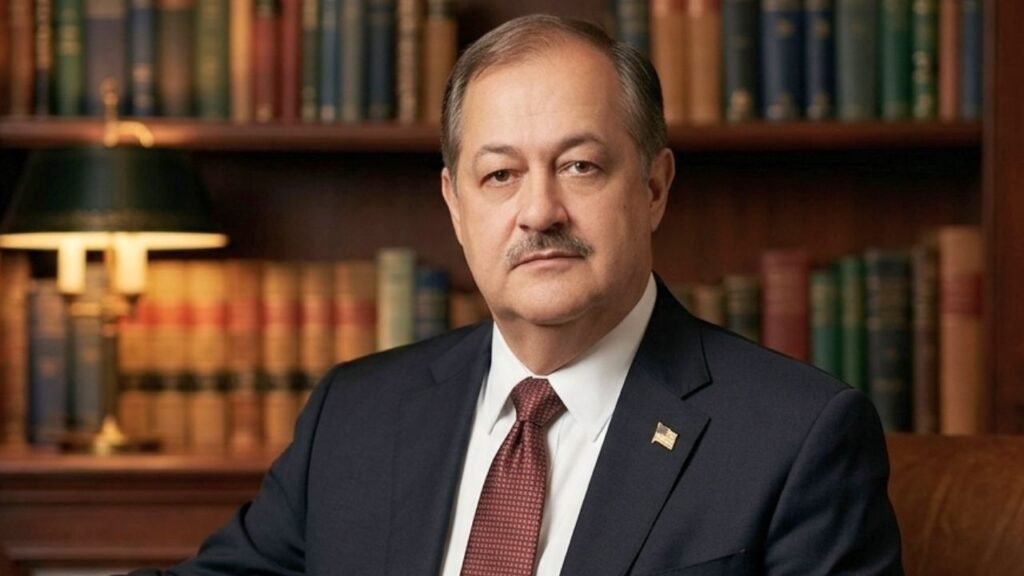
Don Blankenship remains one of the most controversial figures in American business and politics. Known primarily as the former CEO of Massey Energy, his career is a mix of corporate success, public scrutiny, and legal battles. Over decades, he built a reputation as a coal industry powerhouse while facing the consequences of one of the nation’s deadliest mining disasters. This article explores his life, career, net worth, and ongoing relevance in 2026.
Early Life and Background
Childhood in Kentucky and West Virginia
Donald Leon Blankenship was born on March 14, 1950, in Stopover, Kentucky. He grew up in the Appalachian region, a community deeply intertwined with coal mining. This environment instilled in him a work ethic shaped by industry hardships and close-knit communities.
Education and Early Work Ethic
Blankenship earned a degree in accounting from Marshall University in Huntington, West Virginia. Early in his career, he worked in coal operations and accounting, learning the financial and operational aspects of the coal industry. These formative experiences prepared him for leadership roles in a sector where precision and efficiency were paramount.
From Accountant to Coal King
Rise Through Massey Energy
Blankenship joined Rawl Sales & Processing, which later merged into Massey Energy, climbing rapidly through the corporate ranks. By the late 1990s, he became CEO, transforming Massey into one of the largest coal producers in the U.S. His leadership style emphasized aggressive growth, operational efficiency, and shareholder returns.
Leadership Style and Business Approach
Known for a tough, no-nonsense approach, Blankenship often clashed with unions and regulators. His cost-cutting measures and anti-union stance made him both respected and feared in the coal industry. While profitable, these strategies contributed to scrutiny regarding worker safety standards.
Upper Big Branch Mine Disaster
A Tragic Legacy
In April 2010, the Upper Big Branch Mine in West Virginia experienced a catastrophic explosion, claiming the lives of 29 miners. The incident became one of the deadliest mining disasters in decades, drawing nationwide attention to Massey Energy’s safety practices.
Federal Indictment and Trial
Federal authorities charged Blankenship with multiple counts, including conspiracy to willfully violate mine safety standards. The trial focused on the management decisions leading up to the disaster and whether cost-cutting compromised miner safety.
Conviction and Sentence
In 2016, Blankenship was convicted of conspiring to violate federal mine safety standards and received a one-year prison sentence. The conviction marked a rare instance of a CEO being held criminally accountable for industrial safety lapses, generating both criticism and debate over corporate responsibility.
Political Aspirations and Public Life
2018 West Virginia Senate Primary
After serving his sentence, Blankenship pursued political office. In 2018, he ran in the Republican Senate primary in West Virginia, making waves with aggressive campaign ads targeting both opponents and the political establishment. Despite media attention, he lost the primary.
Third-Party and Presidential Runs
Undeterred, Blankenship explored third-party avenues, including a bid with the Constitution Party for the presidency in 2020. He also pursued another Senate run under a different party banner, demonstrating his continued influence in state and national politics.
Public Statements and Media Lawsuits
Blankenship has been involved in defamation and media lawsuits, challenging coverage of both his corporate tenure and legal battles. While the Supreme Court refused to hear some cases, these legal disputes underscored his contentious relationship with public scrutiny.
Net Worth and Financial Standing
Wealth from Massey Energy Era
At the height of his career, Blankenship amassed substantial wealth from his leadership role and stock holdings in Massey Energy. Public estimates in 2026 suggest a net worth of approximately $40 million, reflecting both past profits and ongoing investments.
Post-CEO Financial Profile
Following his retirement from corporate leadership, Blankenship has maintained a lower-profile financial life. He continues to be involved in advisory roles and retains equity stakes that contribute to his net worth, though he is no longer an active operator in the coal industry.
Controversies and Public Perception
Labor Relations and Union Opposition
Blankenship’s career was marked by frequent clashes with the United Mine Workers and other labor organizations. Critics argue his policies prioritized profits over safety, while supporters highlight his efficiency and ability to maintain competitiveness in a declining industry.
Safety Culture and Legacy Debate
The Upper Big Branch disaster continues to shape his legacy. Families of victims and mining advocates remember him for corporate negligence, while some industry analysts credit him with modernizing coal operations and preserving jobs in Appalachia. His story remains a polarizing symbol of corporate America’s ethical dilemmas.
Legacy in 2026
How History Views Blankenship
Don Blankenship’s narrative is complex, combining innovation, wealth accumulation, and controversial decision-making. Historians and journalists continue to debate his role in shaping the modern coal industry, balancing his financial achievements against the human cost of industry failures.
Influence on Coal and Politics
Blankenship’s impact on West Virginia politics endures, particularly in the context of anti-establishment movements. His campaigns, unconventional tactics, and legal precedents inform contemporary discussions about corporate accountability and political strategy.
Frequently Asked Questions (FAQ)
What is Don Blankenship’s net worth in 2026?
Approximately $40 million, primarily from past Massey Energy holdings.
Why was Don Blankenship convicted?
He was found guilty of conspiracy to violate federal mine safety standards following the Upper Big Branch disaster.
Did Blankenship serve time in prison?
Yes, he served a one-year federal prison sentence.
What happened at Upper Big Branch Mine?
A 2010 explosion killed 29 miners, making it one of the deadliest mining disasters in recent U.S. history.
Has Blankenship held public office?
He has run for Senate and presidential positions but has not held elected office.
What is Don Blankenship doing now?
He remains active in political commentary, advisory roles, and maintains his investments.
Biography Table
| Fact | Detail |
|---|---|
| Age | 76 (born March 14, 1950) |
| Profession | Former CEO, Massey Energy |
| Education | Accounting, Marshall University |
| Relationship Status | Married |
| Children | Private |
| Net Worth | ~$40 million |
| Nationality | American |
| Parents | Names not publicly emphasized |
| Current Roles | Political commentator, investor |
Related Posts
- Donald Ray Thomas: Facts About His Age, Net Worth, Career, and Rise to Fame
- Joseph Zubretsky: CEO Age, Net Worth, Career & Healthcare Legacy
- Bahram Akradi Facts About His Age, Net Worth, Life Time Career & Influence
Final Thoughts
Don Blankenship’s life embodies the tension between industrial ambition and ethical accountability. From a coal-mining town in Appalachia to the heights of corporate leadership, he achieved wealth and influence but also faced legal consequences and public criticism. In 2026, his story serves as both a cautionary tale and a study of the enduring impact one figure can have on industry, politics, and regional identity. Whether admired or condemned, Blankenship’s legacy continues to spark debate about responsibility, power, and the human cost of business decisions.

Ahsan Ullah is an entertainment writer at WhoFame.com, covering celebrity biographies, career highlights, and verified public information. His work focuses on accuracy, clarity, and reader-friendly reporting of pop culture topics.